A month ago, the Dragon Quest series celebrated its 40th anniversary. Being around for 40 years is not a joke and is a great achievement. That being said, they celebrated it in numerous ways by giving discounts and releasing the very first trailer for Dragon Quest XII. It’s been nine years since Dragon Quest XI, and fans are happy. Let’s take a look at how this iconic series came to be and where it stands today.
Early beginnings
The Dragon Quest series began in 1986 with the release of Dragon Quest for the Nintendo Entertainment System’s Japanese counterpart, the Famicom. The game was developed by Chunsoft and published by Enix. It was the result of a collaboration between game designer Yuji Horii, composer Koichi Sugiyama, and legendary manga artist Akira Toriyama. Together, they created a role-playing game that emphasized simple mechanics, exploration, and storytelling, making the genre accessible to a broad audience.
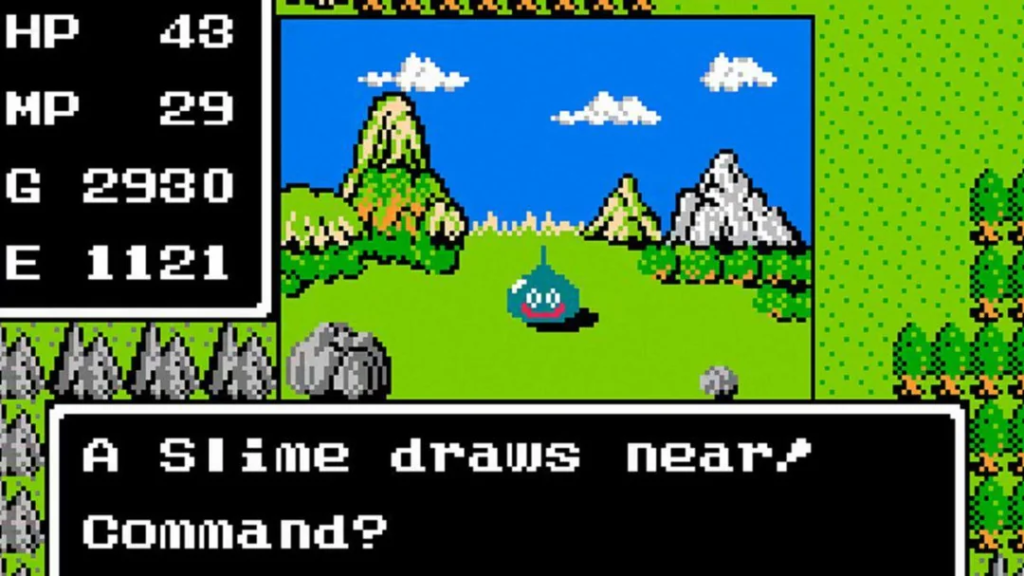
Inspired by Western computer RPGs such as Ultima and Wizardry, Yuji Horii wanted to create a game that would appeal to console players in Japan. Dragon Quest featured turn-based combat, towns filled with non-playable characters, equipment upgrades, and a fantasy adventure centered around defeating the Dragonlord. Its streamlined gameplay and charming presentation made it an instant success, laying the foundation for one of gaming’s longest-running franchises.
The Squaresoft merger into Square Enix
In 2003, Enix merged with Square to form Square Enix. The merger united Japan’s two biggest RPG franchises under one company, bringing Dragon Quest and Final Fantasy together for the first time. Despite the corporate changes, Dragon Quest retained its creative leadership, with Yuji Horii continuing to oversee the series while maintaining its traditional identity.

Under Square Enix, the franchise expanded through remakes, mobile releases, online games, and numerous spin-offs. The company also increased efforts to release mainline titles simultaneously across multiple regions, helping the series reach a broader global audience. Some were surprised since Dragon Quest was booming at this time while Squaresoft’s flagship series, Final Fantasy, was somewhat struggling due to losses from the movie Spirits Within.
Dragon Quest in the 2010s and present
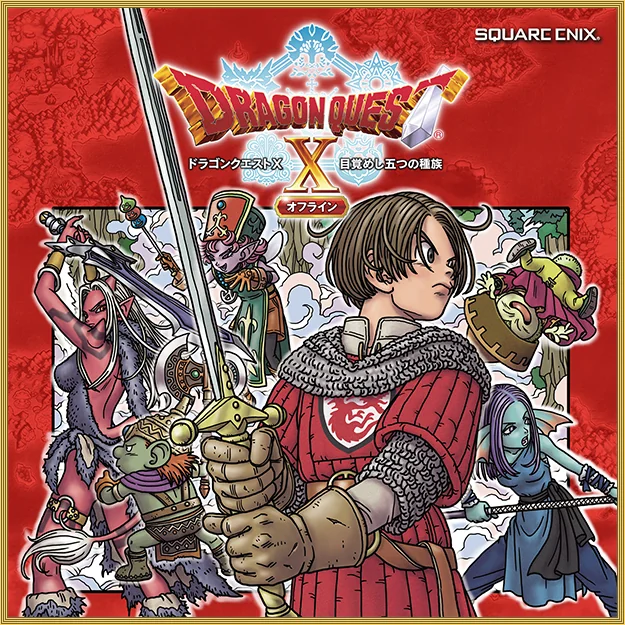
In 2012, Dragon Quest X became the first massively multiplayer online role-playing game in the franchise. Initially released for the Nintendo Wii before expanding to additional platforms, the game allowed thousands of players to explore the world together, complete quests, and participate in large-scale adventures. However, players outside of Japan wouldn’t get to experience this game until today.
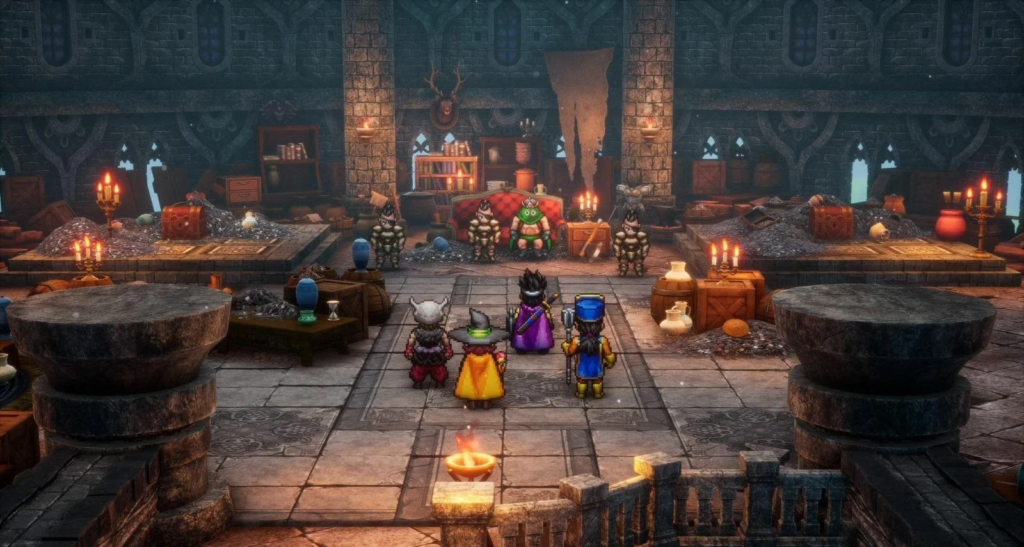
The year 2016 marked the 30th anniversary of Dragon Quest, celebrating three decades since the original game’s debut in 1986. Yuji Horii and Square Enix commemorated the milestone with anniversary events, concerts, merchandise, special broadcasts, and announcements of several upcoming projects. The anniversary highlighted Dragon Quest’s enormous cultural impact in Japan and reaffirmed its status as one of the country’s most important video game franchises. Then, of course, it marked the release of Dragon Quest 11 around 2017, and it has since made numerous spin-offs like Dragon Quest Builders and the eventual HD-2D remakes of 1 and 2.
The legacy that if left
Today, Dragon Quest continues to thrive through new games, remakes, and multimedia projects. While many modern RPGs have embraced faster combat and open-world design, Dragon Quest remains committed to its classic turn-based roots, proving that timeless gameplay and heartfelt storytelling can remain relevant across generations. Its enduring success has secured its place as one of the foundational pillars of the role-playing genre and a lasting icon in the history of video games.