
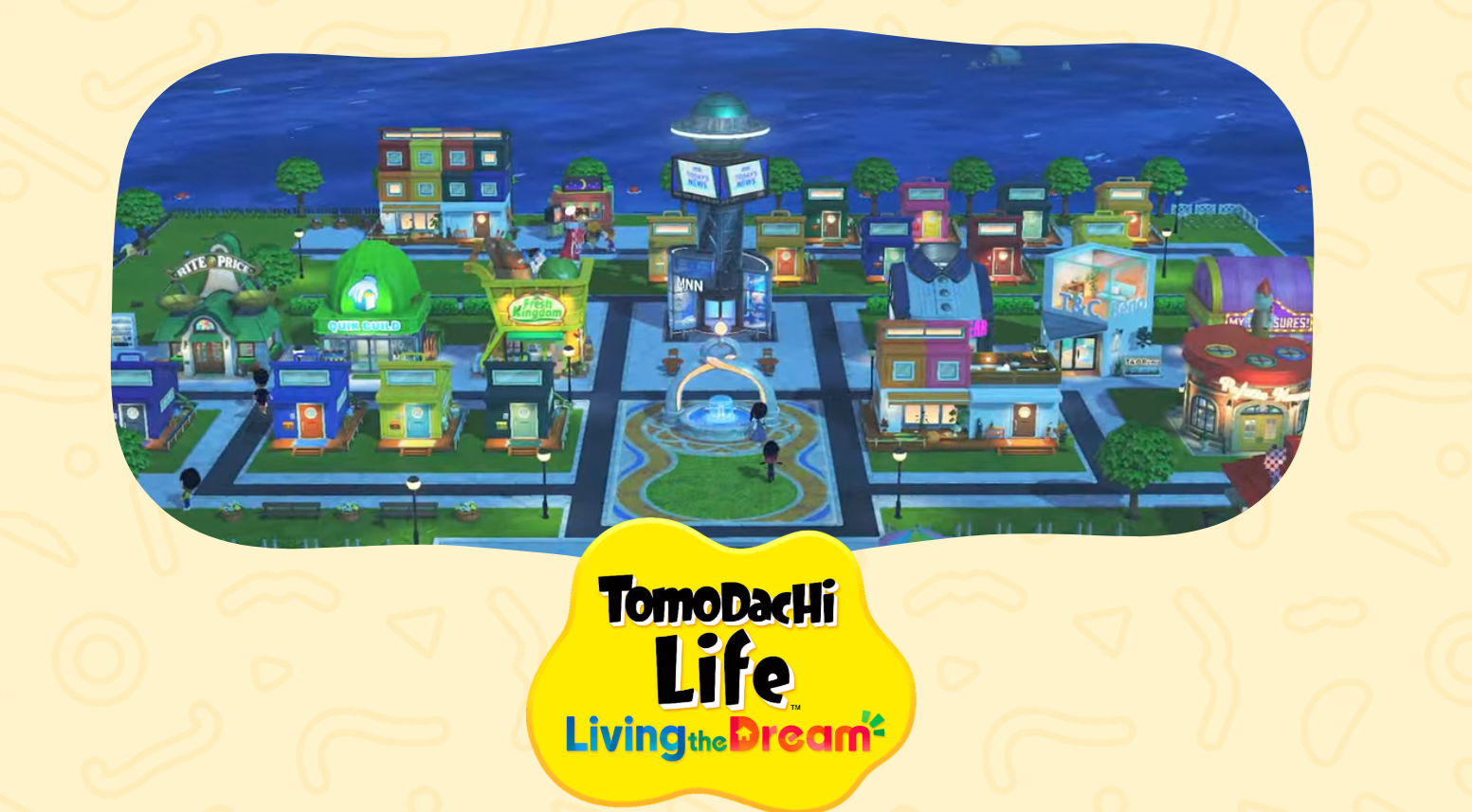
Nintendo has a game series called Tomodachi. There aren’t a lot of games under it, with the big one being released back in 2013. That changed when Tomodachi Life: Living the Dream was released last April of 2026. The game was a success, and Nintendo has been hitting it off after successes like Pokopia. This game also has some elements similar to Pokopia, being a cozy game and a life simulation.
What is the gameplay about?
This is a life simulation game where players create and manage an island populated by Miis, Nintendo’s customizable avatars. Rather than following a traditional objective, the game revolves around observing the lives of these characters while helping them with their everyday needs. Players can create Miis based on themselves, friends, family members, celebrities, fictional characters, or entirely original personalities, then watch as they develop relationships and unique stories over time.
The gameplay is centered on interacting with the island’s residents. Miis regularly ask for advice, request gifts, want new clothes or food, seek help resolving arguments, or ask for assistance with friendships and romance. Responding to these requests earns rewards, unlocks new items, and helps Miis become happier. As relationships evolve, characters may become close friends, start dating, get married, or experience disagreements, with many outcomes influenced by their personalities and daily interactions.
Like its predecessor, the game emphasizes humor and unpredictability. Miis can have bizarre dreams, perform songs, participate in strange events, and react in amusing ways to everyday situations. Because every island develops differently depending on its residents and their personalities, each player’s experience becomes a unique collection of stories that unfolds over days, weeks, and months. There is no traditional ending, encouraging players to return regularly to see what new situations have developed.

Why is this game so good?
One of the biggest strengths of Tomodachi Life: Living the Dream is its personality. Unlike many life simulators that focus on realism, the game thrives on absurdity and surprise. Miis constantly interact in unexpected ways, leading to funny conversations, awkward romances, ridiculous dreams, and memorable moments that players often share with friends. The game’s humor comes naturally from the personalities assigned to each Mii, making even simple daily interactions entertaining.
The game also gives players a surprising amount of freedom. You can create Miis based on yourself, your family, friends, celebrities, fictional characters, or completely original people. Watching these characters interact creates endless stories that feel unique to your island. Because relationships and events develop dynamically, the game has strong replay value, encouraging players to check in every day to see what new situations have appeared.
Current state of the game
Nintendo’s most anticipated upcoming life simulation games represent the return of the series after more than a decade. Fans have welcomed the announcement with excitement, especially because the original game developed a passionate community that continued creating content and sharing stories long after its release. Currently, the game has sold close to 4 million copies, and that’s always good news.
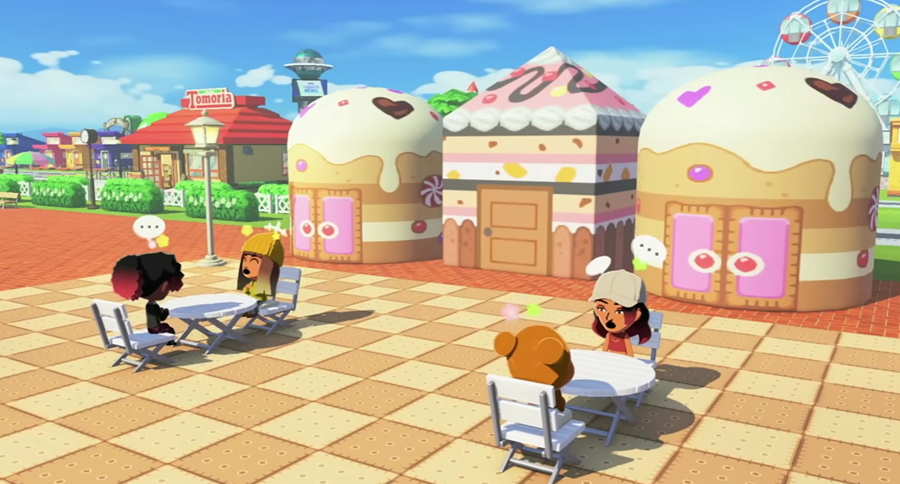
Overall, Tomodachi Life: Living the Dream looks to continue what made the original so memorable while expanding the formula with more content, better visuals, and richer interactions. If Nintendo successfully balances new ideas with the charm of the original, it has the potential to become one of the standout life simulation games of its generation.