Saudi Planning on Buying Unity?
 Kevin Sabadoquia2 min read
We recently made a post about EA being bought out by a Saudi firm. It looks like they are not done yet; while EA was a major grab, they’re planning to buy Unity. Unity is not a video game publisher like EA; it is a software company that programmers can use to make video games. So what does Saudi want with Unity, and what does it mean for gaming?
What happens if Saudi buys Unity
These are just reports for now, so nothing is final. However, we wouldn’t be surprised if Saudi really wants to buy Unity. We really can’t say whether Saudi values money or their beliefs. People are worried that a lot of the games under Unity might be censored or changed. We don’t know what the agreement is between Unity and those who use it. Maybe those existing contracts and agreements will not change. That’s not to say future games may be affected.
A brief write-up on Unity
Some of you may not know what Unity is. Unity was used to make some of the best, or at least the most popular games around. So let’s discuss a short summary of how Unity came to be, and below is a list of some of those games made by Unity.
List of some games made by Unity
- Genshin Impact
- Hollow Knight
- Ori and the Blind Forest
- Subnautica
- Valheim
- Rim World
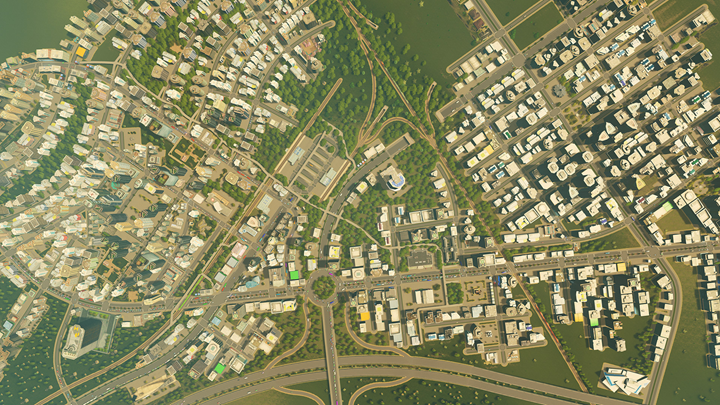
- Cities: Skylines
- And more
Short history of Unity
Unity’s history began in Copenhagen, Denmark, during the early 2000s. Its development is associated with three founders: David Helgason, Joachim Ante, and Nicholas Francis. The company originally operated under the name Over the Edge Entertainment. The founders began developing technology that would eventually become the Unity game engine.
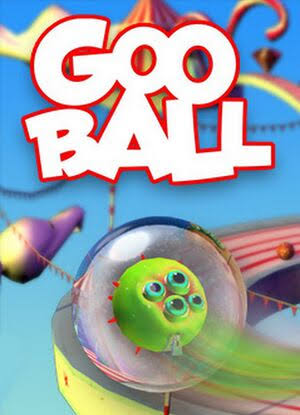
In 2005, the founders introduced Unity at Apple’s Worldwide Developers Conference, also known as WWDC. The original version was primarily designed for Mac OS X development. At the time, this was a relatively small beginning compared with the enormous development ecosystem Unity would eventually establish. An important part of Unity’s early history was a game called GooBall, also released in 2005.
Unity’s impact on the gaming market
The early 2010s were an important period for Unity because independent game development was becoming more popular. More people were interested in creating and publishing their own games, and Unity offered a practical way to do so.
The Asset Store helped reduce development time because developers did not always need to create every object or technical system themselves. They could use existing resources and concentrate on the unique features of their games.
Unity’s legacy and state today
Unity 6 marked a major milestone in the engine’s development. Released in October 2024, it represented a new generation of Unity technology focused on improving performance, stability, graphics, multiplayer development, and support for different platforms.
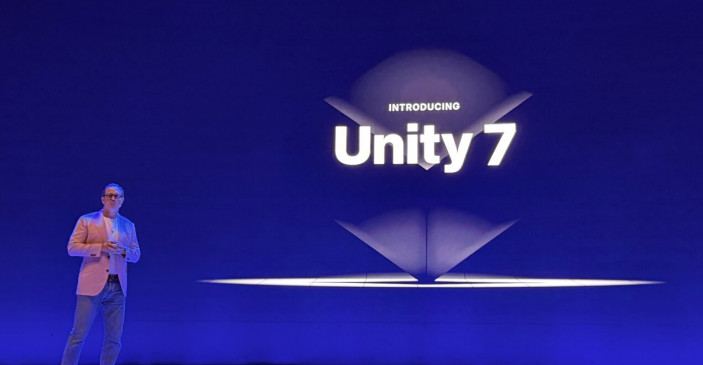
As of November 2026, Unity’s release family has continued to evolve. Unity 6.3 LTS is the latest long-term support release, while newer Unity 6 updates have continued to introduce improvements. Unity 7 has also been announced as the next major generation of the editor and runtime. That’s probably why Saudi wants to buy it, if it ever happens.
 Taichee Gaid