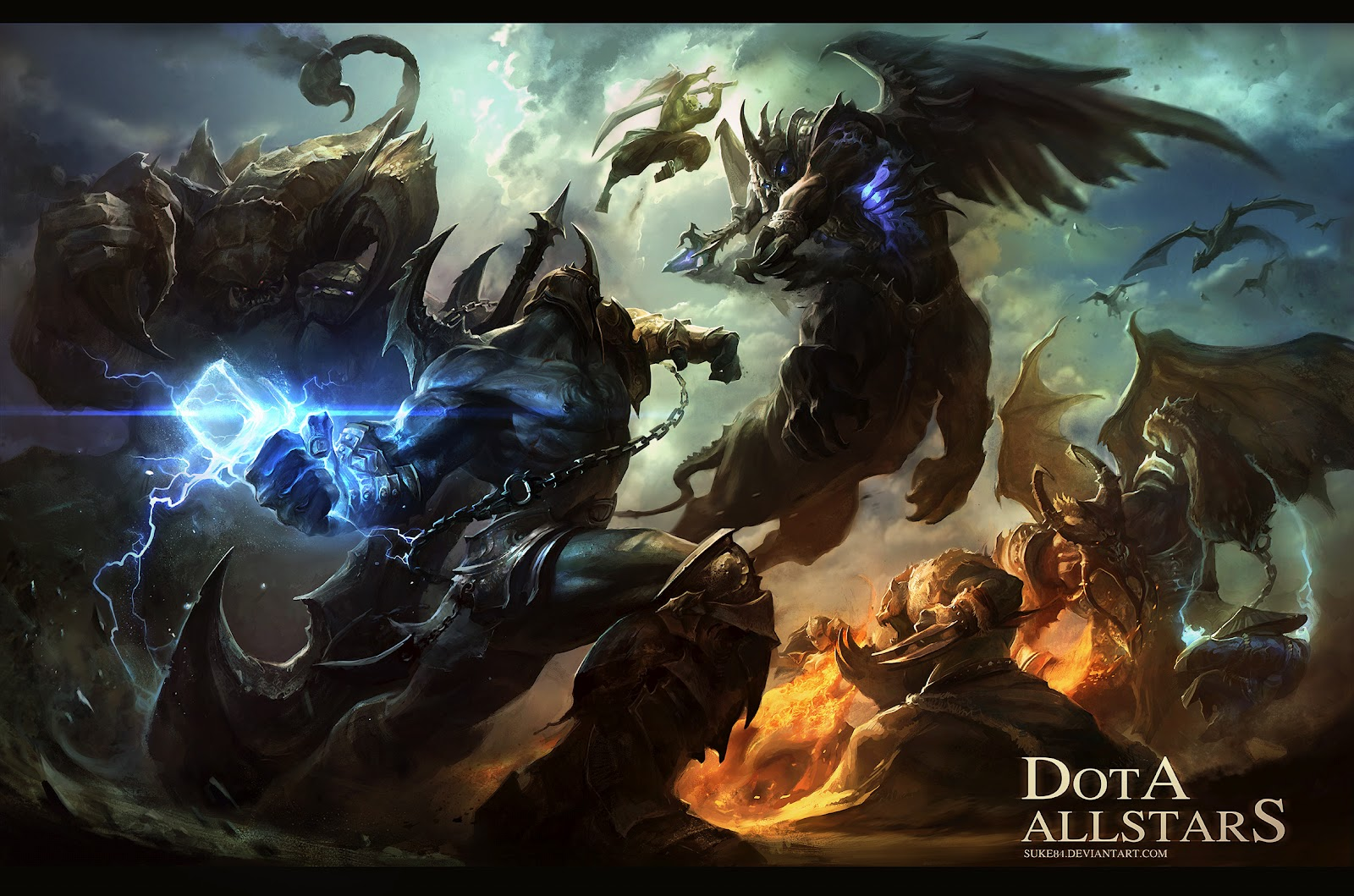
DOTA 2 is one of the most beloved MOBA games today. It’s been 13 years since the game went into closed beta and was eventually released. It has some of the best and most profitable tournaments in years. With the prize money ballooning up before COVID hit, this game’s life is still secured. However, if you are not familiar, this game started out as a modded map for Warcraft 3.
DOTA in the early years
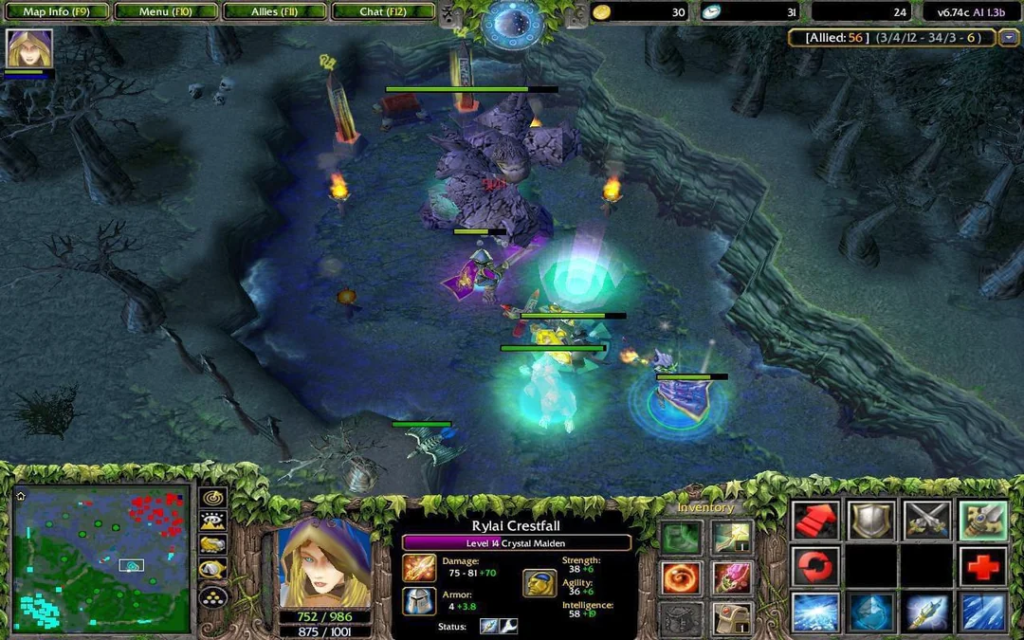
Inspired by an earlier map called Aeon of Strife from StarCraft, modders created a new experience focused on controlling a single hero rather than managing entire armies. This shift introduced a new kind of gameplay where teamwork, timing, and individual skill were central.
Early versions of DOTA were developed by different creators, but the map evolved rapidly as contributors added heroes, items, and mechanics. The most influential figure in shaping the mod into a competitive and balanced experience was IceFrog, who took over development and refined it into a more polished and widely played map known as DOTA Allstars. This was all made around 2003, and early versions of the map floated around the net from 2004 onwards.
The rise of DOTA in the competitive scene
By the mid-2000s, DOTA had grown into one of the most popular custom maps in Warcraft III. Its depth and complexity attracted players worldwide, especially in regions like Southeast Asia and Europe. Internet cafés became hubs where players gathered to compete, and informal tournaments began to appear.
DOTA’s popularity eventually led to its inclusion in major esports events such as the World Cyber Games and Electronic Sports World Cup. Despite being just a mod, it had effectively created an entirely new genre, the Multiplayer Online Battle Arena (MOBA).
The rise of DOTA 2
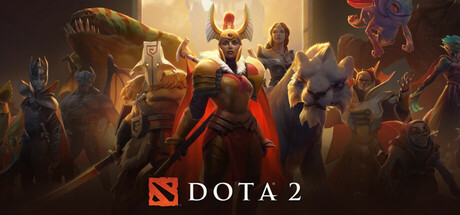
As DOTA’s popularity surged, game companies recognized its potential. Several standalone games were developed inspired by DOTA’s formula, including titles like League of Legends and Heroes of Newerth. However, the original DOTA itself remained tied to Warcraft III, which was limiting its technological growth.
In 2009, Valve hired IceFrog to develop an official standalone sequel. This marked a turning point, as DOTA was no longer just a community project but was becoming a fully supported commercial game. Thus, the development of the game was in place, and the closed beta happened in 2013, and the rest is history.
Will DOTA 2 ever end?
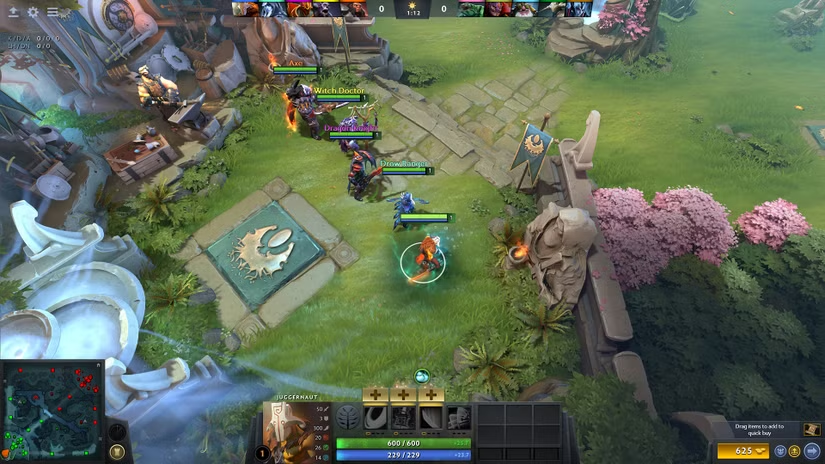
A lot of people say that DOTA is a dead game or will die soon. It’s pretty hard to tell, but one thing is certain: the game isn’t getting as many new players as it should. The players that it does have are stagnant. They’re not growing, but it seems they won’t be going away any time soon. People are still demanding Battle Passes and events. This is different from other types of games, where they are free, but fans don’t want to pay for the content. That’s just the magic of DOTA, and maybe you’ll still be playing it when you’re 50.