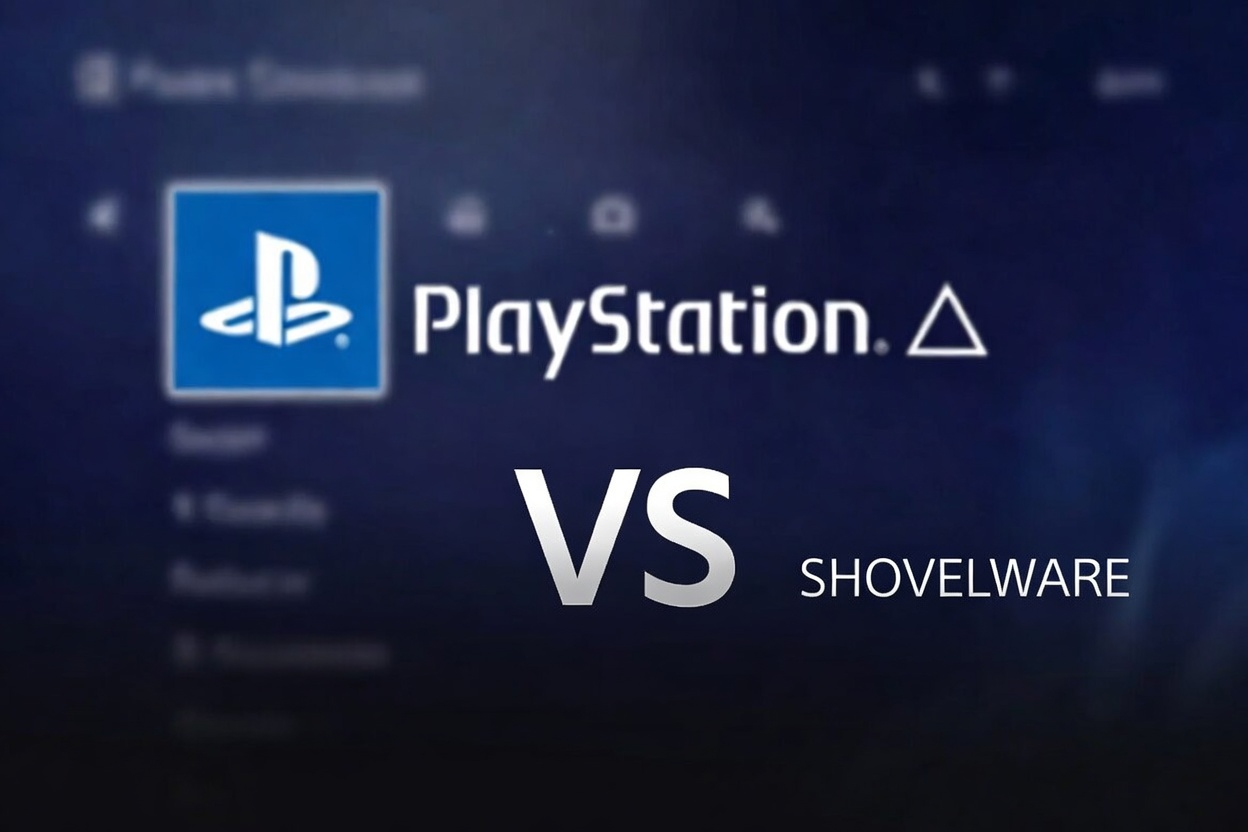
Shovelware is a type of app or game that is more focused on quantity rather than quality. Basically, these things flood any app store, be it the Google Play Store, App Store, or, in this case, the PlayStation Network. Sony just nuked its own store, removing over thousands of shovelware programs on the PSN.
What did Sony do?
Sony delisted hundreds of games that can be considered as shovelware. Without any warning, a lot of these apps and games were removed from the PSN. This isn’t the first time Sony has done this, but this is the biggest it has ever been. There will be more in the future unless they regulate the PSN even better.

What is shovelware?
Shovelware refers to low-quality software or video games that are produced and released in large quantities with minimal effort, care, or originality. The term comes from the idea of shoveling something out quickly and carelessly, much like dumping dirt or trash without any attention to detail. These products are typically created to make fast money or to fill up digital store shelves rather than to provide a meaningful experience to users. Developers or publishers behind shovelware often prioritize volume over quality, resulting in titles that feel rushed, unfinished, or outright lazy.
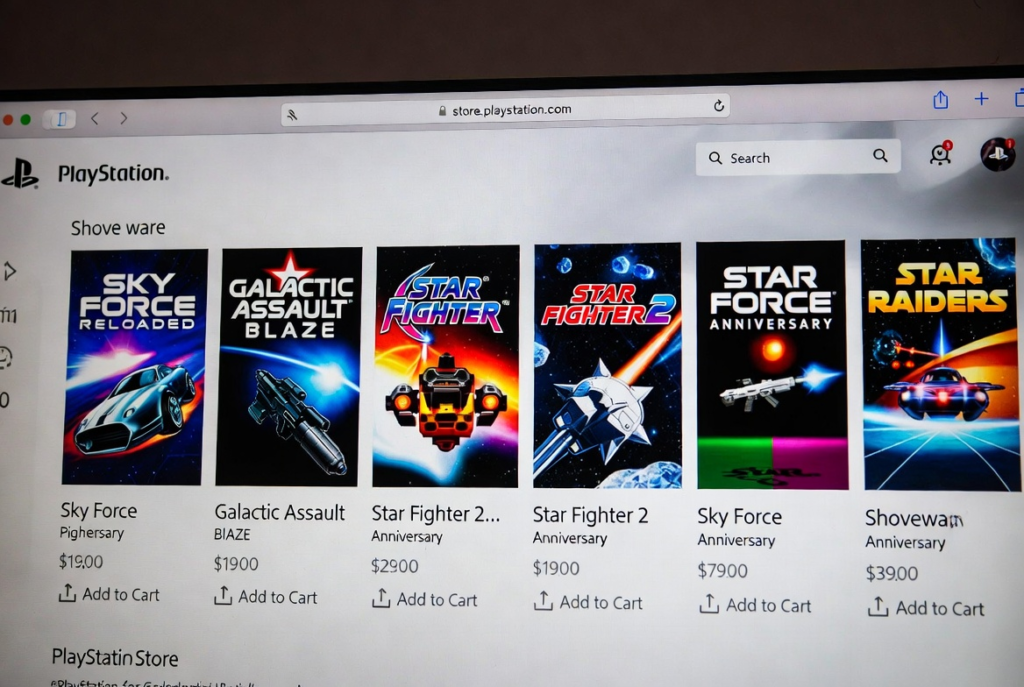
Shovelware exists because modern distribution platforms have made it extremely easy and inexpensive for anyone to publish content. Tools like Unity or Godot, combined with asset stores and generative AI, allow creators to produce games in a matter of days or weeks. The business model relies on releasing dozens or even hundreds of similar products, hoping that a small percentage will generate enough sales or ad revenue through sheer numbers. While some shovelware can be harmlessly mediocre, it often frustrates players who feel tricked into buying or downloading something that lacks substance. In recent years, the rise of AI tools has intensified the problem, leading to what many call “AI shovelware,” where entire games are generated with little human creativity involved.
Shovelware also exists in other stores.
In the video game industry, shovelware is most commonly associated with cheap, generic games that flood platforms like Steam, mobile app stores, and the Nintendo eShop. These games frequently rely on pre-made asset packs, templates, or even AI-generated content, requiring very little actual development time. They tend to have poor graphics, clunky controls, repetitive gameplay, and numerous bugs.
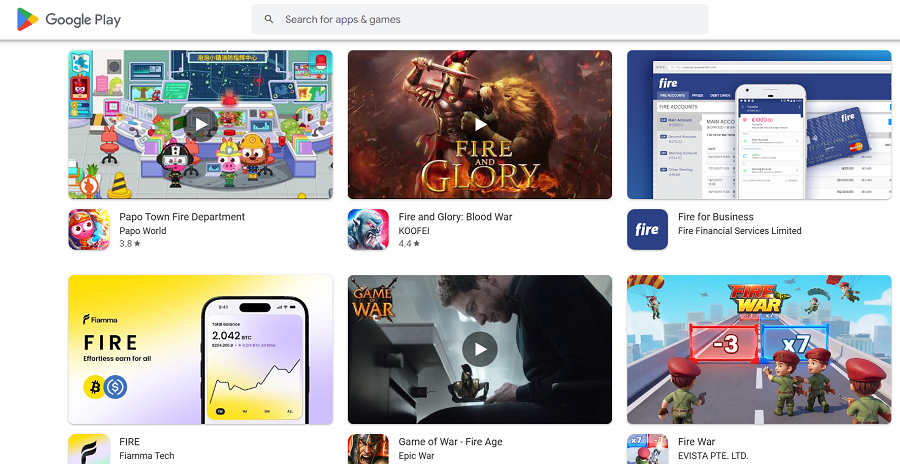
Many shovelware titles are short, sometimes lasting only ten to twenty minutes, and offer almost no real content or innovation. Examples include endless clones of popular genres, such as basic walking simulators, hyper-casual mobile games, or low-effort horror experiences that recycle the same ideas over and over. In the past, it also appeared in the form of movie tie-in games or massive compilation discs packed with dozens of mediocre titles.
In Closing
Sony is doing what these other stores should. The existence of shovelware can be harmful because the can take advantage of popular games. Imagine a game called Parallel Worlds. Anyone can make a game, but the name is ParalIel Worlds (one of the lower case L is a capital i). Regardless, these stores would be better off without any shovelware.