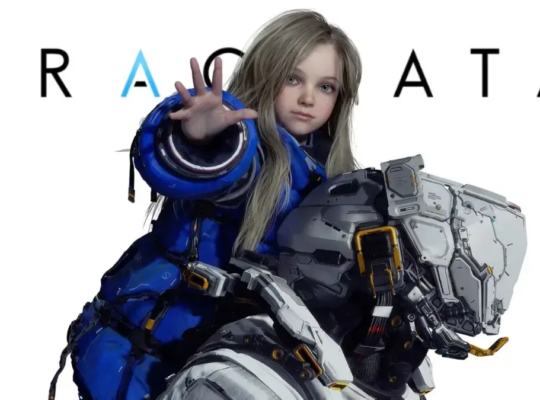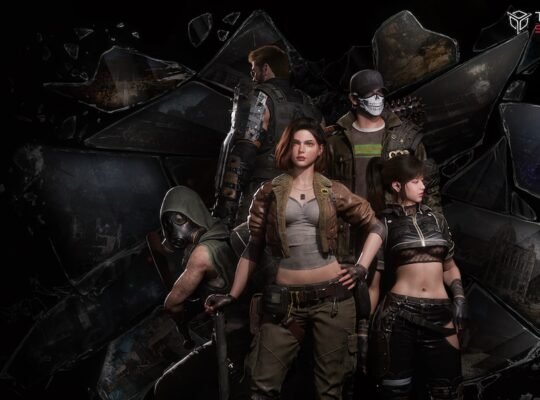
NVIDIA revealed the latest DLSS 5, and they used it on Resident Evil 9. It showcased a before-and-after of the game’s two characters, Grace and Leon. However, reception has been bad, and people are laughing at it, but why, though?
What is the DLSS 5?
DLSS 5 (Deep Learning Super Sampling 5) is the latest evolution of NVIDIA’s AI-powered rendering technology, developed by NVIDIA. Like its earlier versions, DLSS is designed to boost game performance while maintaining high image quality.
Instead of rendering every pixel natively at high resolution (which is demanding on hardware). DLSS renders frames at a lower resolution and then uses AI to upscale them. With DLSS 5, this process becomes significantly more advanced thanks to improved neural networks and tighter integration with newer GPU architectures.
If you have been using NVIDIA’s GeForce, then this is similar to those filters that you can use. They make your game look better or at least look like something that isn’t common in the game. This type of filtering program has been evolving throughout the years, and here we are now with DLSS 5.
Why are people laughing at it?
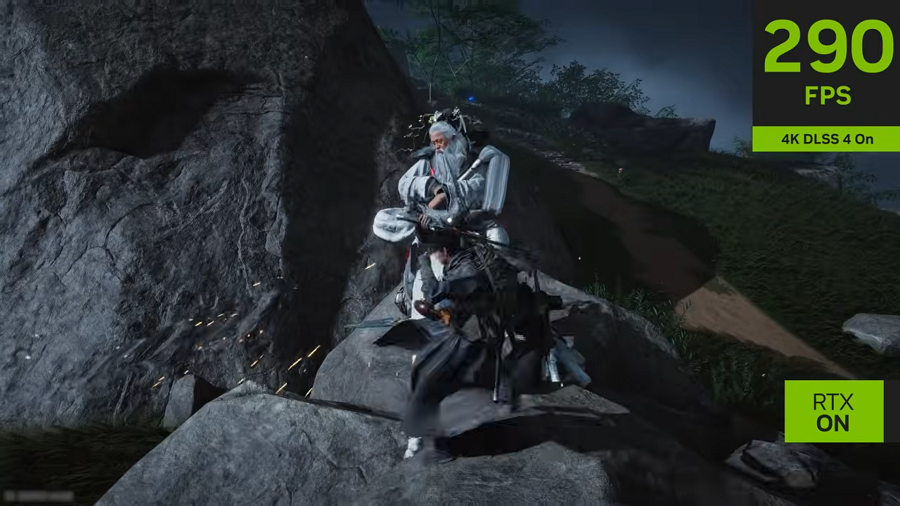
In the presentation above (by the official NVIDIA YouTube channel), they showcase the video of how the DLSS 5 works. If you look at it at first glance, it doesn’t seem bad, but after prolonged viewing, it has a very weird look. This filter prides itself on being some kind of AI-Generated, so that’s why people are laughing.
If you take a look at Grace’s face, it looks like one of those generic AI-generated faces of models. Leon looks a bit normal, but with grace, it is like a totally different person. People are mocking it relentlessly because these types of filters have been good in the past.
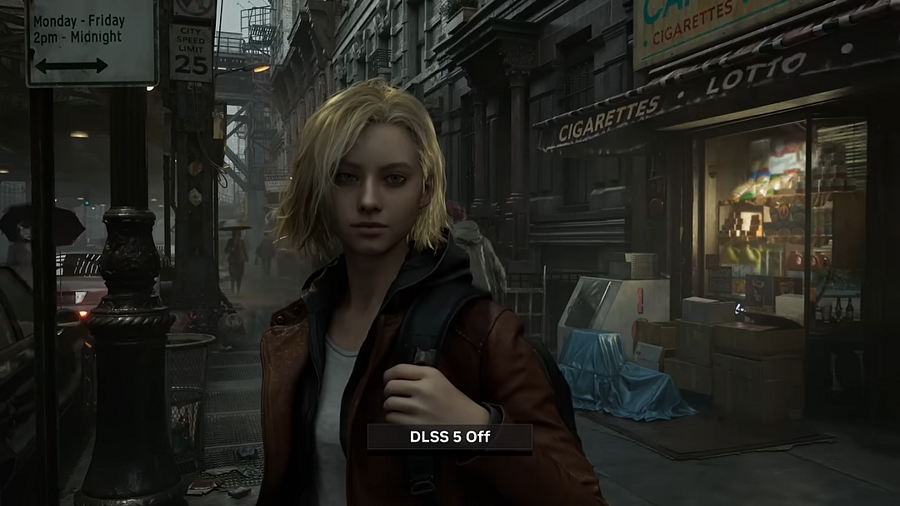
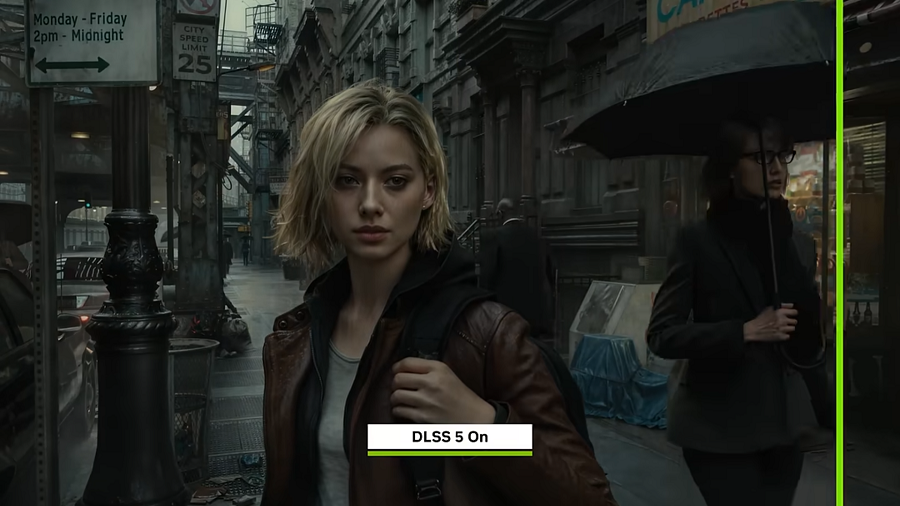
Memes and jokes about the DLSS 5 are already out. NVIDIA may work hard, but people who make these things work harder. We can only hope that this gets better since the DLSS 5 won’t be coming out until probably the third quarter of this year. Who knows, maybe NVIDIA will add more changes or test it on another game, to see if there really is a difference.
Concerns about AI and visual authenticity
Beyond just the jokes, the reaction also highlights a deeper concern about the growing use of AI in graphics. Players value consistency and artistic integrity in games, especially in story-driven titles like Resident Evil. When AI begins to significantly alter character appearances, it can break immersion and make scenes feel less authentic.
There’s also concern that developers might rely too heavily on AI reconstruction instead of carefully crafted visuals. While DLSS 5 is meant to improve performance and efficiency, some fear it could unintentionally change how games are meant to look. This balance between performance and artistic control is something both NVIDIA and game developers will need to refine. Even if it is free, most people are cautious about using it.